They are dense in nutrients for health but not dense in calories. As far as calculations go its pretty simple.
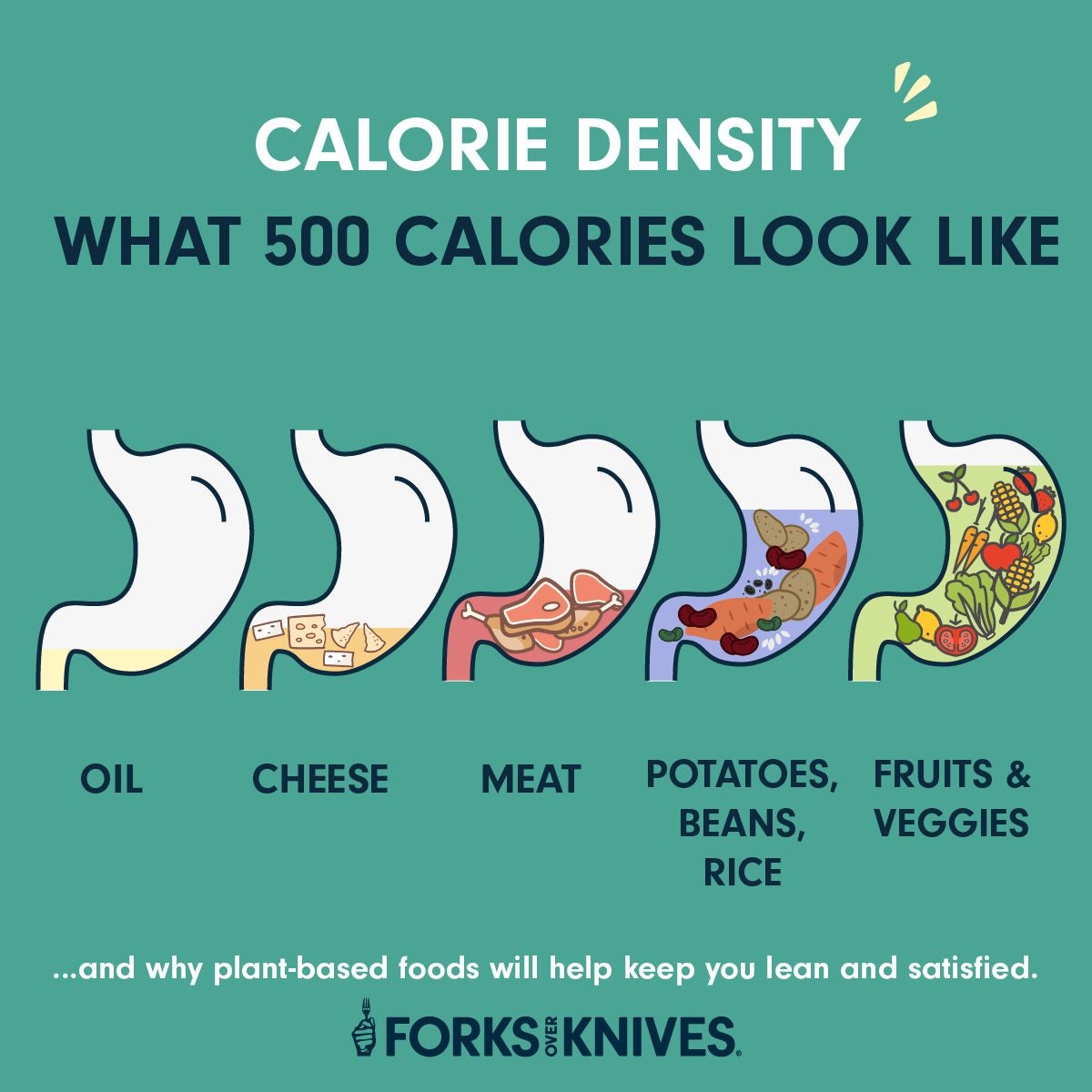
Calorie Density Approach To Nutrition And Weight Management Forks Over Knives
Give an example of each.
. Explain the difference between nutrient-dense foods and calorie-dense foods. Give an example of each. They provide fewer calories and are high in Vitamins A C D and E calcium iron potassium zinc fiber and healthy fats.
Nutrient-dense foods are foods or beverages that have only a few calories but provide minerals vitamins and other substances that benefit our body. Nutrient-dense foods have a lot of nutrients for. A low-calorie-dense diet may aid weight loss.
It focuses on whole foods and limits your intake of processed foods naturally increasing your. They have little nutritional value and are often called empty calories. If a food is high in nutrients but low in calories we say it is nutrient dense.
Explain the difference between nutrient-dense foods and calorie-dense foods. Nutrients and have added fat sugar and salt. Examples of calorie-dense food or junk food include soda cake pepperoni pizza and frosted cereals.
Briefly explain your answer. Nutrient-dense foods contain a lot of essential nutrients per serving while energy-dense foods are those that have a lot of calories in a serving. Axe Health and Fitness News Recipes Natural Remedies.
Calorie-dense food or junk food include soda cake pepperoni pizza and frosted cereals. Nutrient-dense foods are those that contain a. Foods that are nutrient dense have high levels of nutrients per serving.
Nutrient-dense foods have a lot of nutrients for the amount of energy it provides. Calories give energy whereas nutrients give you other things your body needs to survive such as protein iron etc. Spinach which is very.
Empty calories are foods and beverages that are very high in calories but provide a very low nutrient value including vitamins and minerals. Under what circumstances in your life would applying the concept of nutrient density be of special importance. In fact its too simple.
Foods that are energy dense have lots of calories per serving. Well even meet a 3-hour deadline. If a food is calorie dense that usually means it is high in energy and low in nutrients.
These foods provide the most health benefit to your body. The term energy density refers to the amount of energy or calories per weight of a food or drink. Expert Answer 100 1 rating Food that is high in nutrients but relatively low in calories.
Energy-dense foods tend to be dry and high in fats such as biscuits chips candy butter etc whereas less energy-dense foods are usually rich in water andor fibre such as fruits vegetables vegetable soups etc. But obviously terms like high in nutrients or low in calories are relative. Nutrient dense rich in nutrients low in calories-eating a variety of nutrient dense foods allows people to sustain their health and obtain the suggested amount of vitamins minerals etc.
Foods that are energy-dense contain a higher number of calories per serving while foods that are nutrient-dense contain a higher level of vitamins minerals and other important nutrients with little or no added sugars or fats that raise calories. Foods such as whole grains fruits nuts etc. Foods that are energy dense contain a higher number of calories per serving while foods that are nutrient dense contain a higher level of vitamins minerals and other important nutrients with little or no added sugars or fats that raise calories.
Examples of calorie-dense food or junk food include soda cake pepperoni pizza and frosted cereals. What is the difference between nutrient dense foods and calorie dense foods. Calorie-dense foods are essentially junk foods that are high in calories and high in fat sugars or salts.
Energy density measures the calorie content of foods while nutrient density refers to the nutrient composition of foods. Nutrient-dense foods contain vitamins minerals complex carbohydrates lean protein and healthy fats. Think of the difference between potato chips and plain baked potato or sweetened yogurt and plain yogurt or creamed spinach.
-rich in healthy fats complex carbohydrates vitamins lean protein and minerals What Does it Mean to Eat Nutrient Dense Foods 2018. Nutrient dense foods are foods that provide a lot of nutrients fiber phytochemicals vitamins minerals etc for a low number of calories. Some calorie-dense foods are extremely healthy and some calorie-dense foods like meat is very unhealthy.
Foods that are very high in. Nutrient-dense foods are foods that are very healthy and you can typically eat more of these foods than calorie-dense foods. The more nutrient dense a food is the more nutrients vitamins minerals you get for a standard amount of the food measured in grams or calories.
Updated 39 days ago2242022 124527 AM. Nutrient dense refers to the amount of vitamins minerals andor protein in a food. The calories may come from protein fat or carbohydrates.
Nutrient-dense foods include items such as veggie pizza fresh. Even the trusty Nutrition Facts label for example draws attention to the calories and fat content at the topOne study found that consumers tend to read only the first five components servings calories total fat saturated fat and trans fat of the Nutrition Facts label5 To identify nutrient-dense foods we need to be sure to read further down the label to the other. The difference between nutrient dense Calorie foods and empty Calorie foods lay in the nutritional content Vitamin Minerals contained in the food.
This term is a way to describe what else you are getting from a. Nutrient density refers to how much nutrition a food provides per calorie.
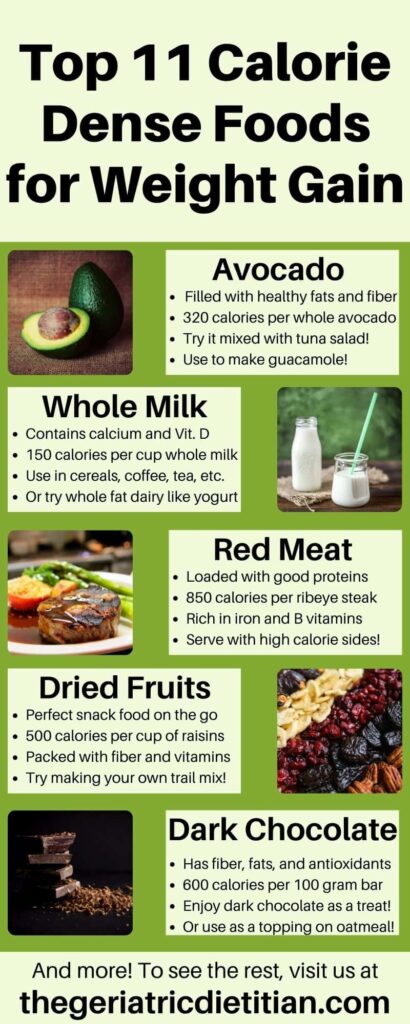
Top 11 Calorie Dense Foods For Weight Gain The Geriatric Dietitian
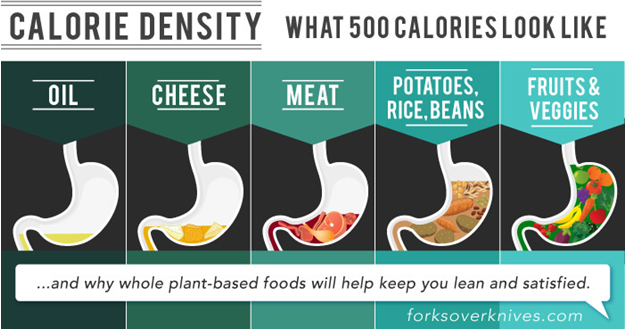
Calorie Dense Vs Nutrient Dense Foods The Way Forward
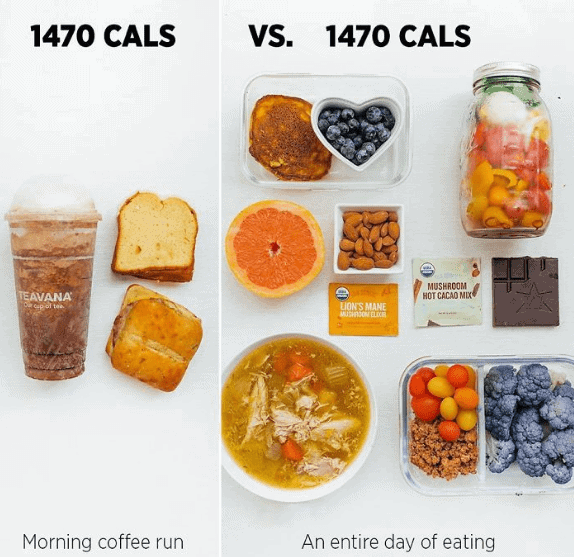
Calorie Dense Vs Nutrient Dense One On One Fitness



0 Comments